AI in the markets
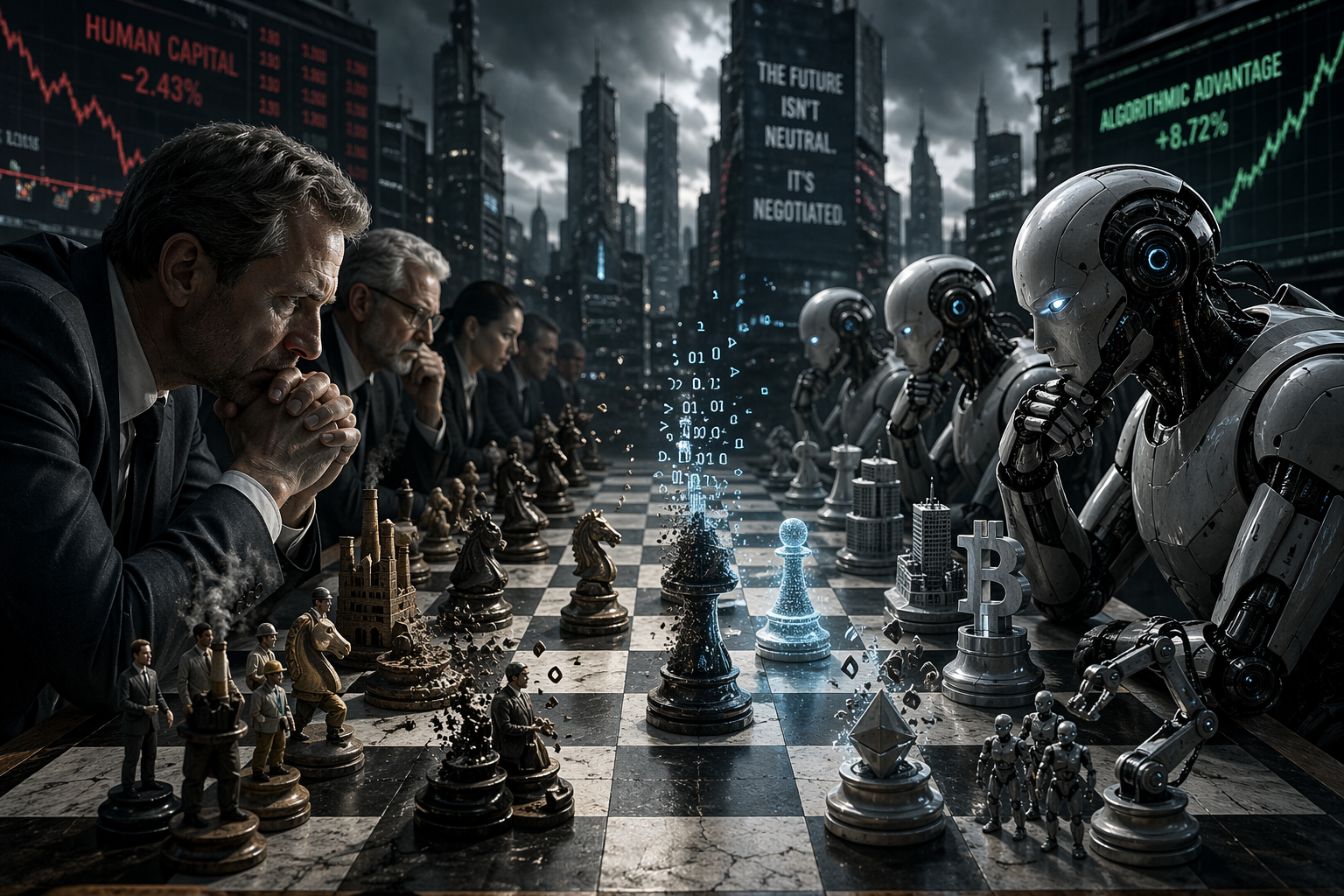
The invention of the ship was also the invention of the shipwreck. – Paul Virilio
Somebody vibecoded a bot to identify Bitcoin wallets that had successful trading strategies and copycat them.
Possibly fictional viral content, but it raises interesting questions of market design.
Automated strategies are already entrenched in financial markets. AI adds new dimensions: more people can create automated strategies, and strategies can access all the world’s structured and unstructured data. What are the implications for price discovery and market function?
Grossman-Stiglitz says markets can only be boundedly efficient if information and trading aren’t free. Analysts research and identify mispricings, and as they trade, markets get more efficient. Eventually prices get efficient enough that it doesn’t pay to do research and trade. The process of making markets efficient costs money, which requires markets to be inefficient enough to pay for it.
But if you have AI that can cheaply process all the information in the world like an analyst, markets can get pretty efficient.
It’s already hard being an analyst or a human trader, sell-side research and human traders have been decimated. It’s might get even harder as they compete with bots that can process all the world’s data and execute trades faster than any human. A robot equity research report writer is pretty good and so easy, to build I even vibe-coded my own.
In Bitcoin you can see near-real-time trades, so you can copycat anyone. I guess traders could create new wallets and try to obfuscate trades. But if people are transferring between wallets you can probably analyze networks and figure out which wallets are related. But then maybe all the edge traders could form a bank to hide behind. Then they have to trust each other to share wallets.
Copycats happen. Index trading, or VWAP trading mirroring orders in the level 2 order book, or even trend following, are all copycat strategies. In the US, Reg 13F requires big institutional holders to disclose positions quarterly which anyone could copy. It lets the companies know their owners, lets investors in funds analyze their fund managers. But we don’t require stock traders to disclose trades in real time like an active ETF. Certainly that would reduce the edge of anyone who was a good analyst, if people could copy their trades almost immediately instead of quarterly. Alpha decay is real.
When you design the market and what info is disclosed, you want enough disclosure so people can understand the process and verify it’s fair, or at least study how rigged it is. On the other hand if everyone had to disclose everything in real time, you get fast information diffusion, but fast alpha decay and some edges no longer make sense to trade on.
There is probably a bell curve where some disclosure makes markets more efficient, but too much disclosure might drive smart traders out, and paradoxically make markets less efficient and more herdy. For any given policy on market structure and disclosure, it is challenging to predict all the first- and higher-order effects.
Somewhat unrelated, there are some weirdos who think there shouldn’t be regs at all, and insider trading should be legal. But that leads to an Akerlof market for lemons, people don’t trade if they don’t trust the markets. Do you want to trade against insiders like soldiers betting on the war in Iran, or politicians betting on their own campaigns?
Kalshi and Polymarket are banning insider bets right and left these days. Who wants to bet on the NBA or boxing if point-shaving and throwing fights are legal? Again, there is a bell curve. A public market is a human institution created to solve the problems of saving and capital formation. To exist and function it needs rules to balance transparency, fairness, efficiency, freedom, adaptability, and trust. And again, too few rules and it doesn’t work, too many and it raises costs, people flee to private markets.
Also, there are players like Bloomberg and Google who have everyone’s activity and emails, if they could just trade on it, the equilibrium is one giant Big Tech company that has all the information and sets all the prices, i.e. central planning, and people not being able to say anything because everything is bugged, like under the Stasi.
At one time, Excel and Bloomberg allowed hundreds of small hedge funds to start up and compete effectively with giants. It’s possible that vibecoded, democratized data will let new players flower. But AI and big data are not that easy to democratize, and might make the rich even richer. On the whole, I would expect more concentration and bifurcation between the quant firms and the rest.
And there is a lot of room for AI- and tech-related bubbles and disasters, from flash crashes through trading strategies running amok, to small choke points like electrical substations and routers in Herndon knocking out much of the tech world.
George Devol drew Canada Bill aside and asked him if he couldn’t see that the game was crooked. And Canada Bill sighed, and shrugged his shoulders, and said, ‘I know. But it’s the only game in town.’ And he went back to the game.