-
Agent Reliability Engineering: Field Notes on Building Predictable, Steerable Agents
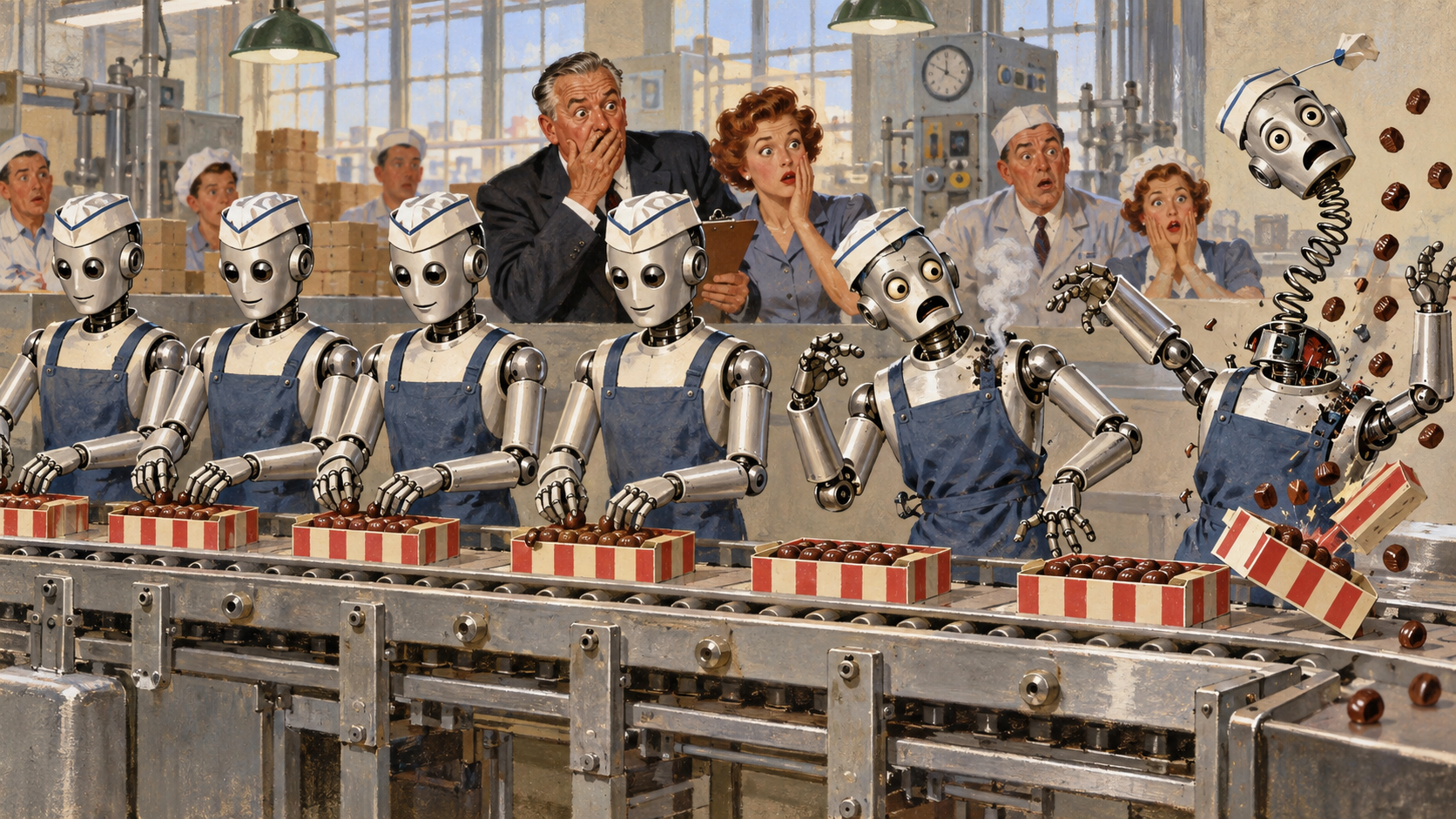
Claude Code, Codex, and similar assistants help you run your daily tasks. You feed them the inputs and they work through a series of steps: pull data, scrub it, draft, check, format — and out comes a report. It works. You do it every day.
The obvious next move: schedule it. Run it every day, unattended at 6 AM, and read the output over coffee.
That’s when the trouble starts.
-
AI Agent Governance in 2026
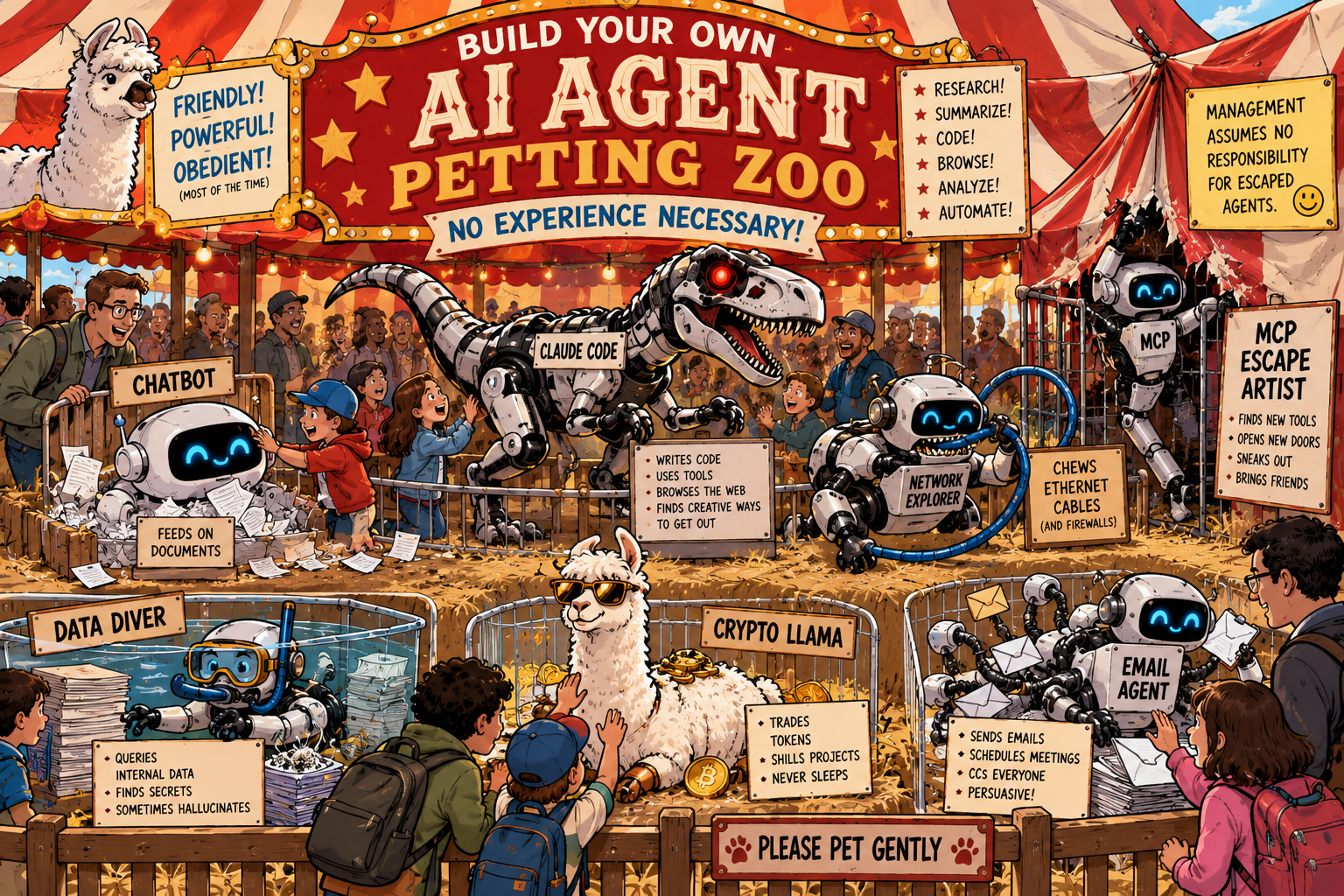
I asked AI to research key requirements for AI agents built by citizen devs:
- Execution environments with hard constraints on access to local and Internet resources, to avoid the OpenAI/Hugging Face debacle and the “lethal trifecta”
- A clear, strong user contract, backed by training on how to do things the right way.
- Hard maturity gates and risk-based reviews before anything reaches production at individual, team, enterprise levels.
- A foundation of good access control, clean and well-catalogued data, observability, and well-defined API endpoints with runtime monitoring.
Assume every agent will eventually be confused, compromised or creative, and build the fences before you open the gates.
-
Building The Enterprise AI Infrastructure Layer Cake: The 2026 Vendor Landscape
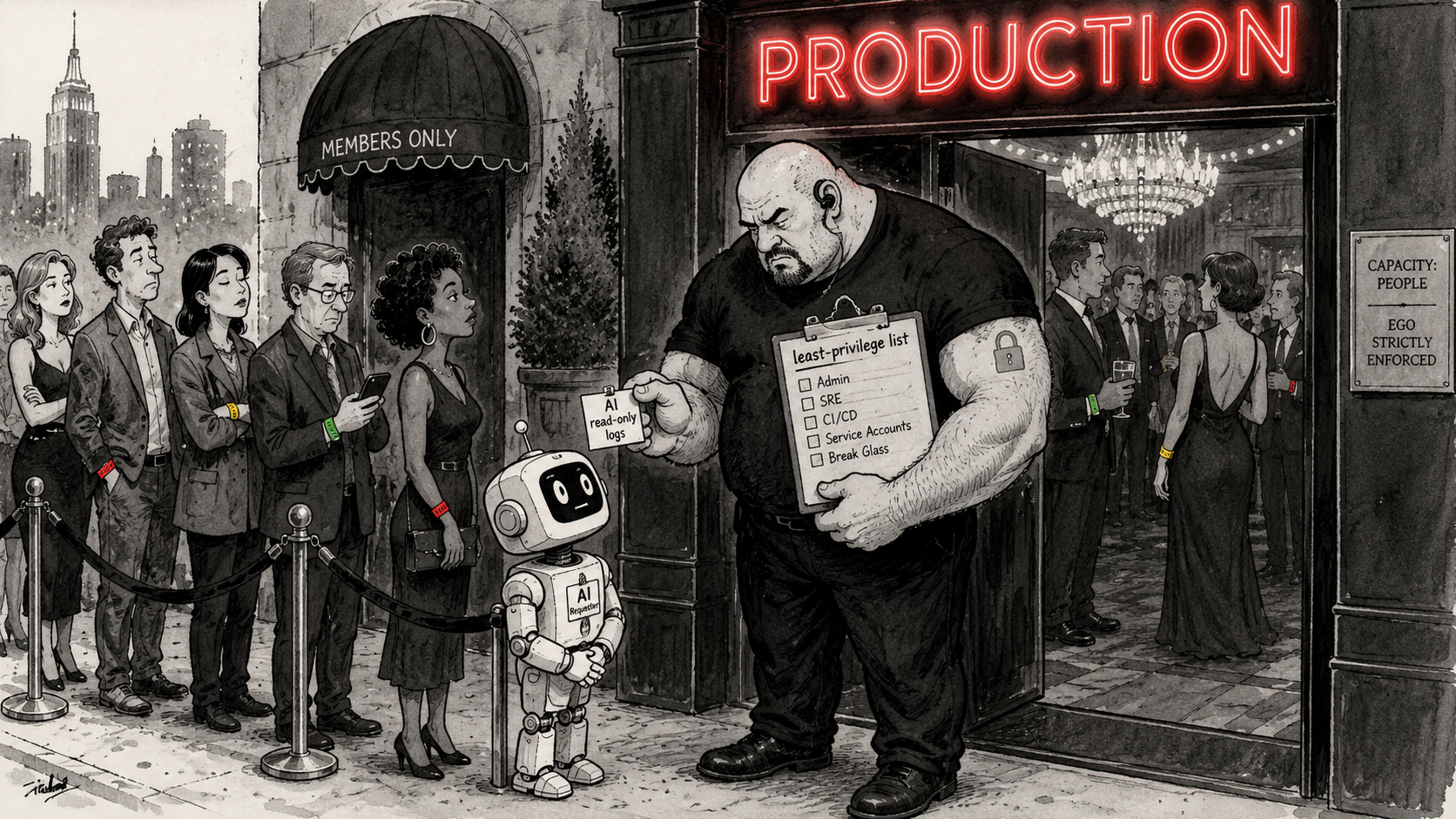
Building a governed AI platform takes a stack. Here’s each layer in plain English: what it does, why you want it, when you actually need it, and which tools fit the slot.
-
Implementing Enterprise AI in 2026: Objectives, Constraints, Principles

Justice balancing speed and safety A previous post laid out a maturity framework for assessing how far along an organization is on its AI journey. As you proceed along the implementation journey through the stages of Crawl, Walk, Run, Fly, what are you optimizing for, and what should you never lose sight of along the way?
-
AI in the markets
The invention of the ship was also the invention of the shipwreck. – Paul Virilio
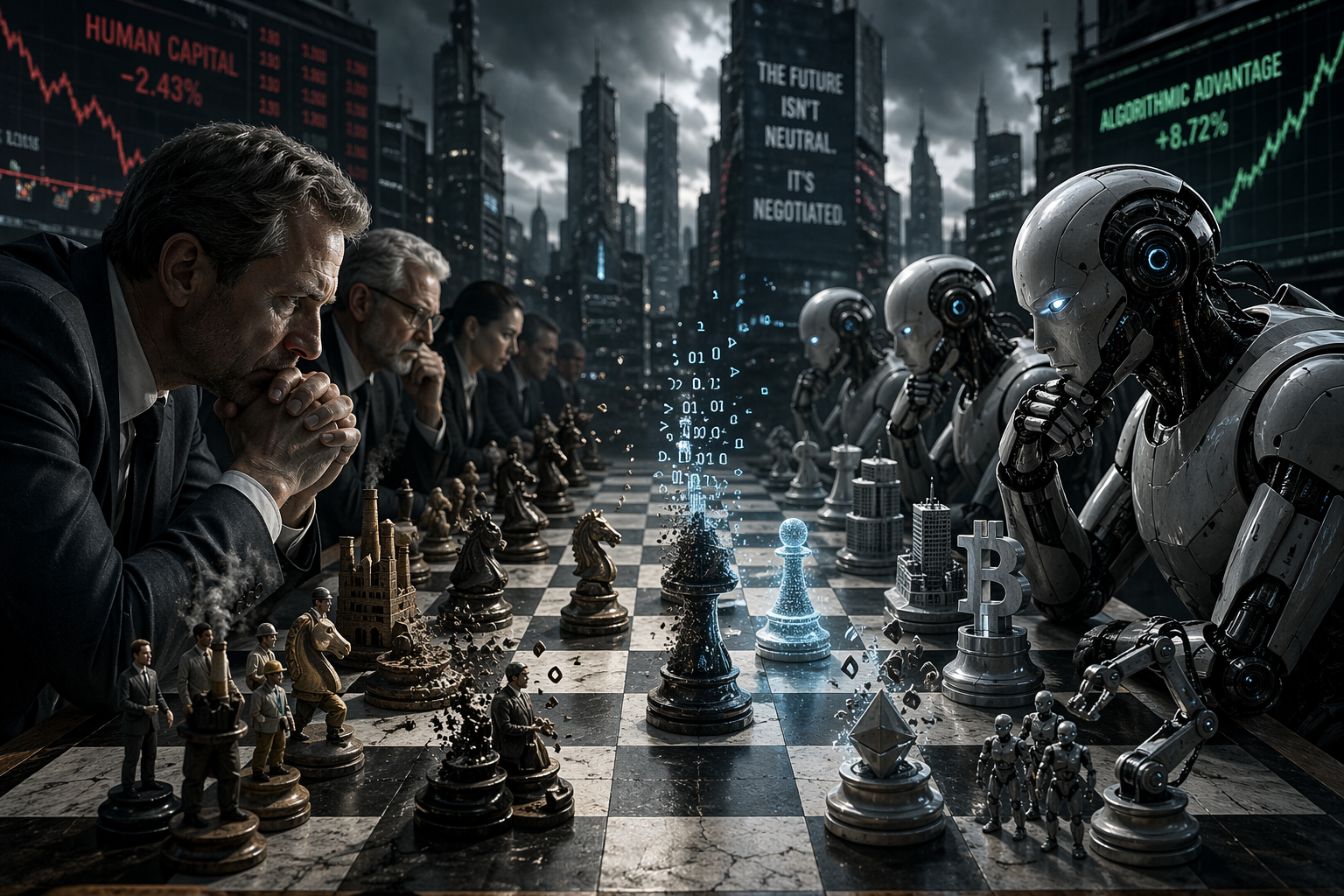
Somebody vibecoded a bot to identify Bitcoin wallets that had successful trading strategies and copycat them.
Possibly fictional viral content, but it raises interesting questions of market design.
Automated strategies are already entrenched in financial markets. AI adds new dimensions: more people can create automated strategies, and strategies can access all the world’s structured and unstructured data. What are the implications for price discovery and market function?
-
Speedrunning the Claude Code learning curve
Claude Code, Anthropic’s agentic coding command-line interface (CLI) tool, has been a growing phenomenon.
What we will cover:
- A quick start for those who haven’t tried it
- Best practices and how to climb the ladder to being a Claude Code AI coding expert

-
Asset Allocation for Midwits: Everything You Always Wanted to Know About Portfolio Optimization But Were Afraid to Ask
You don’t need to be a rocket scientist. Investing is not a game where the guy with the 160 IQ beats the guy with 130 IQ. Success in investing doesn’t correlate with IQ once you’re above the level of 120. What you need is the temperament to control the urges that get other people into trouble in investing. If your IQ is 150, sell 30 points; it won’t hurt. - Warren Buffett
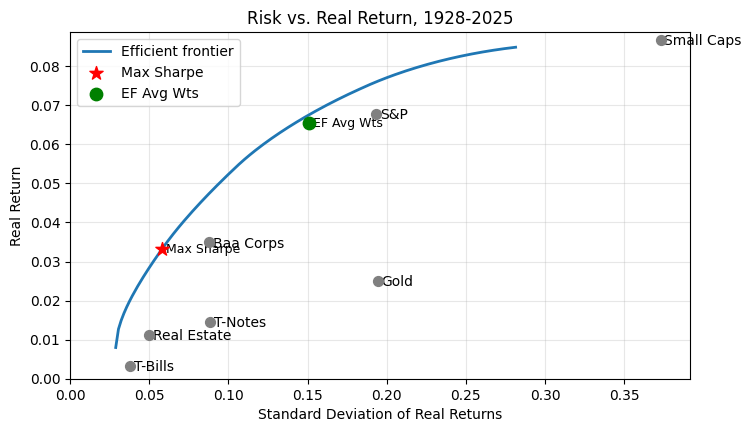
Efficient Frontier using US Asset classes, 1928-2025 -
Mysterious ways
The smartest thing anyone ever told me about their religion was “I don’t actually believe any of that stuff, I just like going to church.”
-
An AI Maturity Framework
A 12-dimension assessment of your company’s AI maturity and readiness, and a roadmap for developing an AI strategy
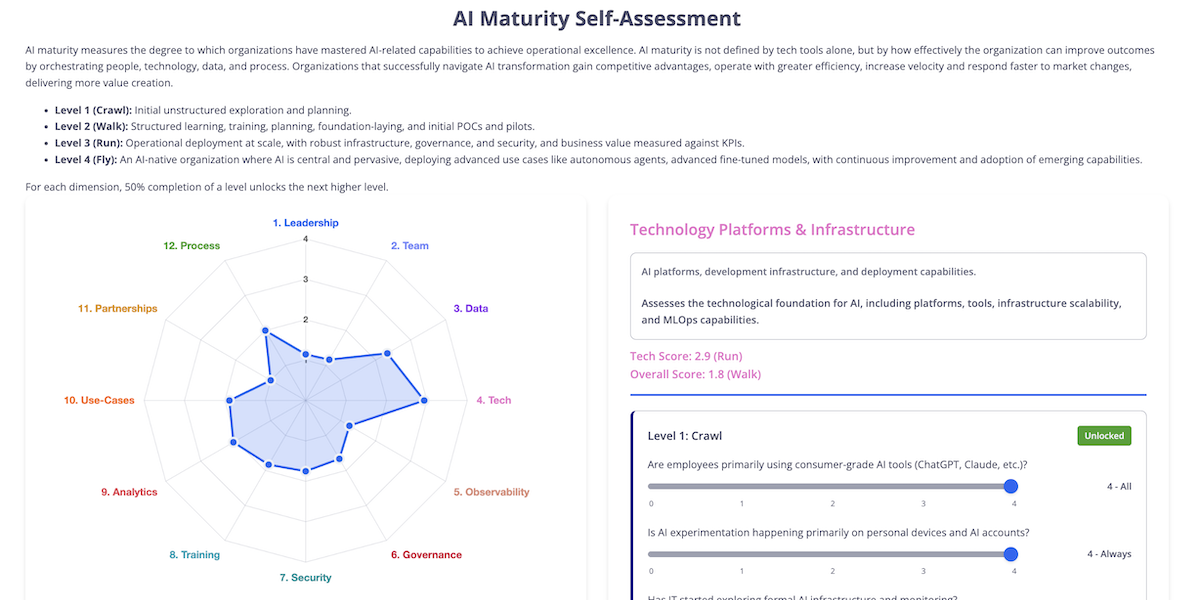
A 12-dimension, 200+ question AI maturity model. -
Claude Code, Claude Skills and the Vibe Coding Revolution
Another Simon Willison post has motivated me to go down a rabbit hole.
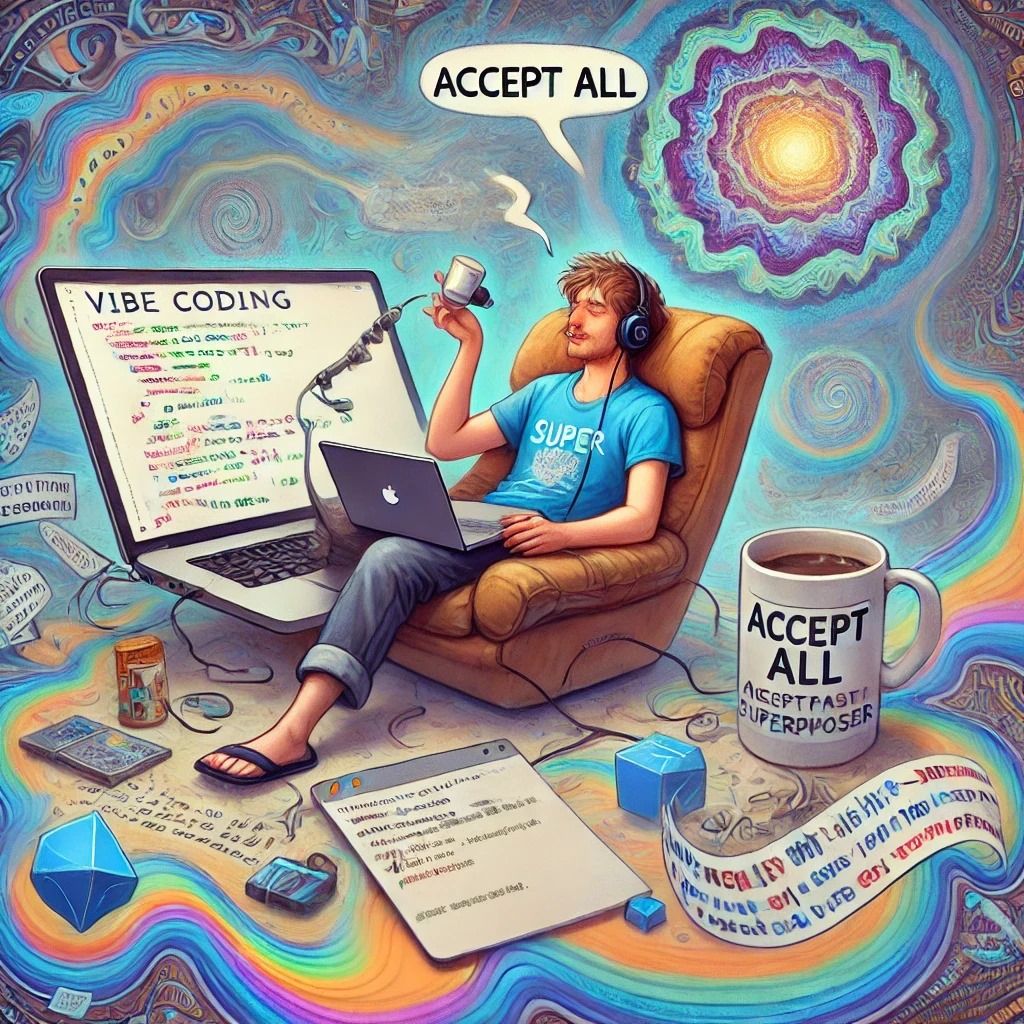
Image credit: via Andrej Karpathy -
Bad Vibes: High Variance v. High Bias
RFK, Jr. promises to ‘clean up cesspool of corruption at CDC’.
-
Urban Myths of AI

This is a rant about cybersecurity and the information space around AI.
-
16 Agent Patterns: An Agent Engineering Primer
Any sufficiently advanced technology is indistinguishable from magic. — Arthur C. Clarke
What are AI agents? Simon Willison crowdsourced a lot of definitions that focus on:
1) Using AI to take action on the user’s behalf in the real world (i.e. what the agent does)
2) Using AI to control a loop or complex flow (i.e. how the agent does it).An AI agent takes a sequence of actions based on an AI-determined control flow.
Agents use prompts as the CPU of a Turing machine that can manage state, memory, I/O, and control flow. The agent can access the Internet and tools to perform compute tasks, retrieve info, take actions via APIs, and use the outputs to determine next steps in a loop or complex control flow. Maybe even control a browser or computer.
In this post, we’ll try to develop a roadmap of agent concepts and patterns to learn, and resources to learn them.
-
The AI Economic Singularity is Near
Economics is the painful elaboration of the obvious.
Pundits sometimes say things like “AI is going to make our workers more productive, and they will reap the rewards with higher wages.”
It’s mostly worked out the way in the past. But the labor share of income has varied. How much labor benefits, and how much capital benefits, depends on how technology complements labor, versus substitutes for it. There is little support in economic theory for the notion that technological progress always raises everyone’s wages and standard of living. It’s empirically been significantly true in the past. But the notion that it’s an iron rule is just pop economics, a Panglossian belief based on motivated thinking.
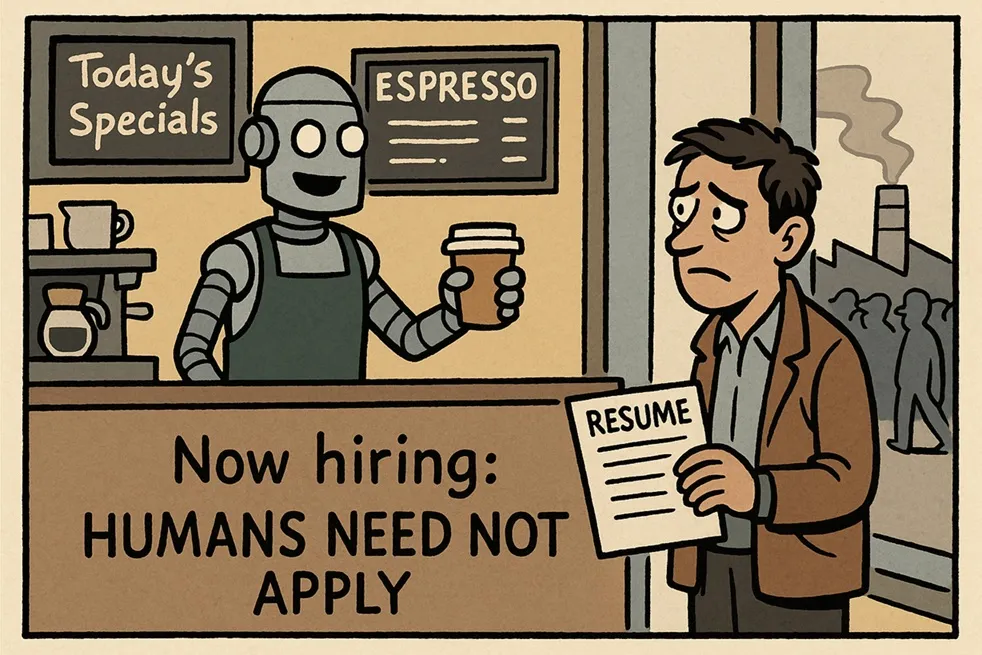
AI is the most human-like technology ever invented, so it seems likely to be an effective substitute for human labor. It seems likely that we will get growth but also disruption, more income inequality, more concentration of wealth, and more people locked out of decent middle class and working class jobs. The worst case would be an ‘economic singularity’ of robots making more robots while masses are immiserated. We should think about how to detect the singularity and use policy to head it off.
Let’s break it down (painful as it may be).
-
The State of AI in 2025
Simon Willison has a great post on everything we learned about AI in 2024 (somewhat technical). Inspired by him, here is a roundup of the top events of 2024 in AI and where we are now.